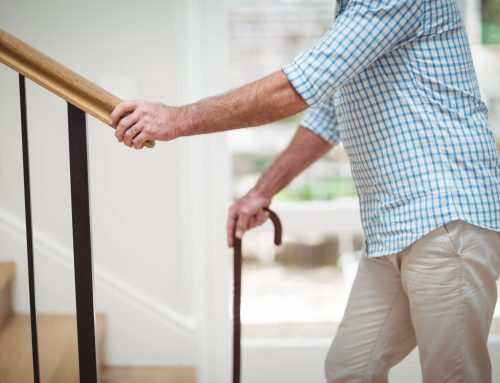
- Your aging parent can stay independent longer by introducing small, supportive changes before a health or safety crisis occurs.
- Independence lasts longer when emotional well-being, social connection, and daily routines are supported alongside physical safety.
- The right mix of in-home support, care coordination, and community resources allows parents to remain at home with dignity and choice.
Protecting Independence While Supporting Your Parent
If you’re helping an aging parent, you’ve probably heard things like “I’m fine, I don’t need help” or “I don’t want to be a burden.” Beneath those words is often a real fear of losing independence.
However, independence doesn’t disappear because someone accepts support. It disappears when help comes too late, after a fall, a health scare, or a moment of crisis.
This guide is designed to help families understand what independence really looks like as parents age, and how the right support can protect dignity, choice, and quality of life. Inside, we’ll cover:
- What independence truly means beyond physical ability.
- Why emotional well-being and social connection matter just as much as safety.
- How early support can prevent major crises.
- The role of routines, community, and care coordination in aging well.
- Practical ways families can help parents remain independent longer, at home.
Independence Is More Than Physical Ability
When families think about independence, they often focus on physical tasks.
- Can Mom still cook?
- Can Dad still drive?
- Can they manage the stairs on their own?
Those questions matter, but they don’t tell the whole story.
True independence is about how they feel in their daily life. Seniors who feel emotionally supported, socially connected, and respected are far more likely to stay engaged, make healthy choices, and accept help before a crisis forces it.
When independence is defined only by physical ability, support often comes too late. A fall, hospitalization, or sudden decline becomes the turning point.
When independence is understood as a balance of physical ability, emotional well-being, and social connection, families can act earlier and more thoughtfully.
Emotional Health Is the Foundation of Independence
Loneliness, anxiety, and feeling like a burden quietly erode confidence long before physical decline becomes obvious. When emotional needs go unmet, seniors are more likely to withdraw, resist help, and lose motivation to care for themselves.
Over time, this can lead to faster physical decline, increased fall risk, and avoidable health crises.
Emotional health supports independence by helping seniors feel secure, capable, and connected. When older adults feel supported rather than supervised, they are more willing to engage in daily routines and accept assistance that helps them stay safe.
Regular companionship and emotional support can:
- Reduce feelings of isolation and depression.
- Improve confidence and decision-making.
- Encourage movement, nutrition, and self-care.
- Help seniors speak up when something feels off.
Sometimes the most powerful form of support is simply having someone who listens, notices changes, and shows up consistently.
Heart Health and Social Connection Go Hand in Hand
Research consistently shows that social isolation increases the risk of heart disease, stroke, high blood pressure, and early mortality. In fact, a review published in the Journal of the American Heart Association found that people who felt lonely and isolated experienced a 29% higher risk of heart attack and 32% higher risk of stroke.
For older adults, long periods of loneliness can place the same level of strain on the body as other well-known health risks.
When seniors stay socially connected, the benefits are tangible. Regular interaction helps regulate stress, supports healthier routines, and encourages movement and engagement with daily life.
Social connection supports heart health by:
- Reducing chronic stress and anxiety.
- Encouraging regular activity and movement.
- Supporting consistent medication and nutrition habits.
- Improving sleep and overall energy levels.
Something as simple as a daily conversation, a walk with a companion, or a regular outing can help stabilize both emotional and physical well-being.
For many seniors, isolation begins quietly with fewer outings, fewer phone calls, and more time spent sitting alone. Over time, this lack of connection can affect not just mood, but overall health and resilience.
Safety That Protects Freedom
Safety and independence are not opposites. In fact, the right safety support is what allows independence to last.
Most loss of independence does not happen all at once. It usually follows a preventable moment, like a fall, a missed medication, or an unsafe situation at home. One incident can quickly turn a manageable situation into a major life change.
Families often notice subtle signs before a crisis happens, such as:
- Unsteady walking or hesitation on stairs.
- Missed or inconsistent medications.
- Avoiding outings or activities that once felt easy.
Proactive safety is about reducing risk without limiting autonomy. Small, thoughtful adjustments introduced early can help older adults move with confidence, stay active, and avoid emergencies that force sudden decisions.
Why Care Managers Help Seniors Stay Independent Longer
Care managers are often misunderstood as a service you bring in when things are already falling apart. In reality, they are most effective when life is still mostly manageable.
A care manager’s role is not to take over decisions, but to help seniors and families stay ahead of problems before they turn into emergencies. They focus on coordination, planning, and advocacy so older adults can continue living the way they want for as long as possible.
Instead of reacting to crises, care managers help families make thoughtful choices early, when options are still available and stress levels are lower.
Care managers support independence by:
- Coordinating medical care, services, and communication across providers.
- Helping families understand options and plan ahead without pressure.
- Advocating for a senior’s preferences, routines, and values.
- Reducing family stress and preventing avoidable emergencies.
The Power of Daily Routines
Independence doesn’t come from doing everything spontaneously. It comes from knowing what to expect each day and feeling capable within that structure.
For many older adults, consistent routines provide a sense of control and confidence, especially as memory, mobility, or energy levels change. When life feels predictable, stress decreases and decision-making becomes easier.
Well-established daily rhythms help seniors stay engaged without feeling overwhelmed. They support both physical safety and emotional well-being, which are essential for long-term independence.
Daily routines support independence by:
- Creating familiarity that reduces anxiety and confusion.
- Encouraging regular movement, meals, and self-care.
- Supporting memory and cognitive function.
- Making it easier to notice changes before they become problems.
Community Resources and the Village Approach
Many older adults thrive longer at home when they are connected to resources beyond just immediate family. Community-based programs create layers of support that reduce isolation, ease daily burdens, and help seniors stay engaged with life outside their four walls.
The village approach to aging is built on shared connection. Neighbors, volunteers, and local organizations come together to provide practical help and social engagement while honoring each person’s independence.
Community support can help seniors:
- Stay socially connected and emotionally engaged.
- Access transportation, meals, and local activities.
- Reduce reliance on family caregivers alone.
- Feel supported without feeling dependent.
When seniors feel part of a larger network, they are more likely to remain active, confident, and independent. Community doesn’t replace family support. It strengthens it and helps independence last longer.
10 Independent Living Goals for Seniors in 2026
Independence today looks different than it did a generation ago. These are realistic, empowering goals families can work toward together:
- Stay safely at home with proactive support.
- Maintain weekly social connections.
- Protect heart health through movement and companionship.
- Accept help early instead of after a crisis.
- Establish daily routines that support confidence.
- Reduce fall risk without limiting mobility.
- Have a care manager or advocate before emergencies arise.
- Stay emotionally engaged and purposeful.
- Use community resources in addition to family support.
- Define independence personally, not by outdated expectations.
Independence Lasts Longer With the Right Support
Most families don’t regret getting help too early. They regret waiting until a crisis forces their hand.
Independence rarely disappears overnight. It’s usually lost after a fall, a hospitalization, or a moment when support arrives too late. With the right approach, many of those moments can be prevented.
At New Wave Home Care, we believe independence evolves. With emotional support, safety, connection, and proactive planning, it can last far longer than most families expect.
If you’re unsure what the next step should look like, you don’t have to figure it out alone.
You can book a consultation online or call us directly at (626) 314-7901 to talk through your family’s needs.