Caring for an aging parent, spouse, or loved one is a meaningful part of your life and begins your caregiving journey, but it can also bring stress, uncertainty, and deep concern about their safety. Many families in Pasadena and Altadena, Arcadia, Eagle Rock, East Pasadena, Glendale, Highland Park, La Canada Flintridge, Los Angeles, San Fernando Valley, San Marino, Sierra Madre, and South Pasadena want their loved ones to live independently at home but worry about falls, missed prescriptions, or how to manage responsibilities when they cannot be physically present.
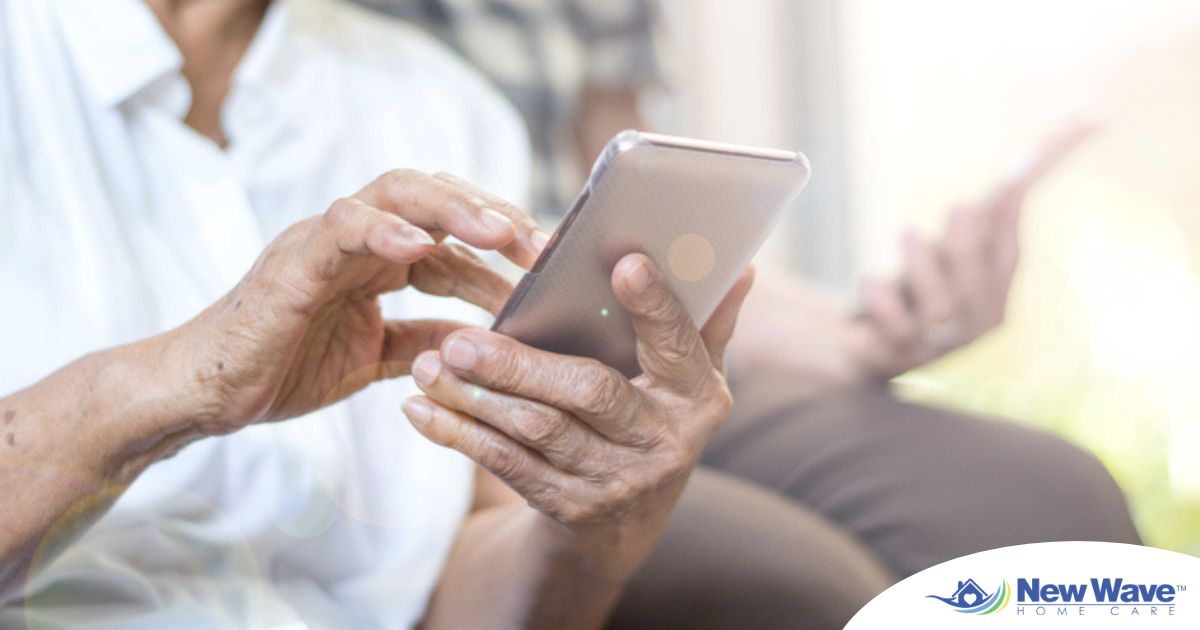
This is where home care assistance supported by modern home care technology can make life easier. These tools help families stay connected, strengthen safety routines, and ensure consistent support inside your loved one’s home. Used with compassion, they create a safer environment and protect your seniors’ ability to remain where they feel most comfortable.
How Caregiving Technology Strengthens Home Care Assistance
Technology will never replace the human presence you bring to caregiving. Instead, it supports the emotional, physical, and practical aspects of care. Families use caregiving technology to improve quality of life, reduce unnecessary risks, and stay informed.
With the right tools, you gain better access to information, clearer communication with care teams, and reassurance that someone will be alerted when something changes.
Medication Management Tools That Reduce Daily Stress
Medication safety is one of the most common concerns for family caregivers. As schedules grow more complex, a missed dose can quickly affect health and well-being. Technology helps simplify routines and reduce errors.
Smart Pill Dispensers and Digital Pill Organizers
Smart dispensers and pill organizers release the right dose at the right time, preventing confusion and helping older adults remain confident in their daily routines. Many families find these tools especially helpful between visits from caregivers.
Medication Reminder Apps
Reminder apps send alerts, track adherence, and can sync information between family members. This helps everyone stay aligned and reduces the emotional load of monitoring medications. For safe medication practices, the CDC offers helpful advice on staying safe and reducing risk.
Remote Monitoring and Fall Detection for Safer Living at Home
Concerns about falls or sudden changes in routine can make it difficult for families to relax. Remote monitoring tools provide a layer of protection without intruding on privacy.
Passive Monitoring Systems
These systems use discreet sensors placed around the home to track daily movement patterns. If something appears unusual, such as not getting out of bed or leaving home unexpectedly, you receive an alert. This helps families plan for support or respite care when needed, especially if they are juggling work or other responsibilities.
Fall Detection Devices
Wearable pendants or smartwatches automatically detect sudden falls and notify designated caregivers. They offer peace of mind for both families and professional dementia caregivers, supporting individuals who may be at higher risk of an emergency situation.
Telehealth and Communication Tools for Better Care Coordination
Clear, consistent communication is essential in any care plan. Digital tools strengthen the bridge between families, caregivers, and healthcare providers.
Telehealth Services
Virtual appointments reduce travel time and support ongoing condition management. The National Institutes of Health provides helpful resources on making telehealth more effective.
Family Portals and Care Coordination Platforms
Some home care agencies use secure portals to share daily updates, schedules, and notes. This improves understanding among all care partners and helps everyone stay committed to the same goals.
These platforms can also support families who are balancing caregiving with a full-time job, offering clarity and reducing stress.
Emerging Technologies Shaping the Future of Home Care Assistance
As technology evolves, new tools offer safer, more supportive ways to strengthen in-home care.
1. AI-Powered and AI-Enhanced Monitoring
New AI-powered systems analyze activity or sound patterns to detect early signs of concern. They allow for timely intervention while protecting privacy.
2. Wander Management for Dementia Care
GPS-enabled devices partnered with apps help reduce risk for individuals experiencing memory loss. Caregivers receive alerts when a loved one leaves a safe area, supporting both independence and safety.
3. Contactless Fall Detection
Radar or thermal imaging systems detect falls without requiring a wearable device, which is especially helpful for individuals who may forget to wear one.
4. Digital Support Tools for Caregivers
Some digital tools offer quick information and emotional support during stressful moments. While not a replacement for professional guidance, they can provide reassurance during challenging times.
How to Choose Caregiving Technology That Fits Your Loved One’s Needs
Not every tool is right for every situation. Begin with the most important needs. Think about what is causing the greatest concern, such as fall risk, medication timing, or communication gaps. Choose tools that are easy to use. Simple, intuitive tools increase confidence for both families and older adults. Look for clear instructions and dependable support.
Show you respect their privacy and preferences by having open conversations. Including your loved one in decisions promotes comfort and control as needs change.
Integrating Technology into Care with Compassion and Patience
Technology works best when it enhances, not replaces, human care. Start with one device at a time and allow everyone to adjust. Small steps create consistency without overwhelm, so introduce tools gradually. These should strengthen your loved one’s comfort and ability to manage daily tasks. Encourage involvement and celebrate progress, no matter how small.
Use Technology to Create Space for Connection
With routine tasks supported by technology and home care assistance, you may find more time to share meaningful moments, support dignity, and enjoy everyday life together.
For help selecting technology that aligns with your family’s needs and the services offered by New Wave Home Care in Pasadena and Altadena, Arcadia, Eagle Rock, East Pasadena, Glendale, Highland Park, La Canada Flintridge, Los Angeles, San Fernando Valley, San Marino, Sierra Madre and South Pasadena, visit our service page.
When You Need Support, We Are Here for You
You don’t have to navigate caregiving alone. If you want to explore how home care assistance and caregiving technology can support independence, safety, and peace of mind, New Wave Home Care is here to help.
Our caregivers are dedicated to providing compassionate support throughout Pasadena, Altadena, Arcadia, Eagle Rock, East Pasadena, Glendale, Highland Park, La Canada Flintridge, Los Angeles, San Fernando Valley, San Marino, Sierra Madre, and South Pasadena, and nearby communities. We help families identify helpful tools, strengthen safety plans, and ensure that care matches your loved one’s evolving needs. Contact us today to schedule a consultation or learn more about how our in-home services can help your loved one thrive at home, including Personal Care, Respite Care, Transitional Care, Injury and Fall Prevention, Alzheimer’s and Dementia Care, Transportation, Specialized Care, Medication Reminders, and Hospice Support.