How to Make Affordable Home Modifications So Your Aging Parent Can Stay Home Safely
- Start with low-cost safety changes such as removing loose rugs, improving lighting, installing grab bars, and creating a clear path through the home.
- Adapt the main living areas by setting up a first-floor bedroom, using a bedside commode when needed, and making the bathroom easier and safer to use.
- Explore financial assistance and add professional caregiving support when home modifications alone are not enough to keep your aging parent safe and comfortable.
What Are the Best Affordable Home Modifications for Aging Parents?
Affordable home modifications, combined with the right level of support, can help many aging parents remain safer, more comfortable, and more independent at home.
Begin with the areas your parent uses every day. Create a sleeping area on the first floor, improve bathroom safety, remove tripping hazards, add lighting and handrails, and make frequently used items easier to reach.
You don’t need to renovate the entire house at once. Start with the change that addresses the most immediate risk, then reassess as your parent’s needs evolve.
When the Home Stops Being Safe
Changes in the home often become noticeable after a fall, hospitalization, illness, or family visit.
You may see your parent reaching for walls, struggling to stand from a chair, leaving laundry downstairs because the machines are difficult to reach, or limiting trips to the bathroom because walking there feels unsafe.
Try to focus on specific observations rather than making a general statement such as, “You can’t live here anymore.”
A calmer conversation might begin with: “I noticed the stairs have been harder lately. Can we look at a few ways to make things easier?”
This keeps the conversation centered on safety rather than control. It also gives your parent an opportunity to explain what feels difficult and what kind of help they may be willing to accept.
Falls deserve particular attention. More than one in four adults age 65 and older falls each year, and falling once increases the likelihood of falling again.
Why Staying Home May Still Be the Best Option
For many older adults, home represents more than a building. It holds familiar routines, neighbors, memories, pets, favorite rooms, and a sense of control.
Moving may eventually become necessary for some people, but it shouldn’t automatically be the first answer. Staying home may remain realistic when risks can be reduced and the family can put enough care, supervision, and emergency support in place.
The real question becomes: “What would Mom need to stay home safely?”
Start With the Most Important Risks
Walk through the home as though you were seeing it for the first time. Notice how your parent gets out of bed, reaches the bathroom, prepares food, enters the shower, uses the stairs, and moves through the home at night.
Start with simple and affordable changes:
- Remove loose rugs, electrical cords, and clutter from walkways.
- Add brighter bulbs and night-lights between the bedroom and bathroom.
- Keep commonly used dishes, clothing, and medications within easy reach.
- Place sturdy seating in areas where your parent becomes tired.
- Add nonslip material in the shower and beside the bed.
- Repair uneven flooring and secure loose stair coverings.
Creating a First-Floor Bedroom
When stairs become difficult, creating a first-floor sleeping area can be more affordable than installing a stair lift or completing a major renovation.
A dining room, den, office, or family room may work as a temporary bedroom. Before moving furniture, consider whether the space offers:
- A clear route to an exit
- Enough room for a walker or mobility device
- Convenient access to a bathroom or commode
- Good lighting during the day and at night
- Privacy from the main living area
- Space for a caregiver to assist safely
Choose a bed height that allows your parent to sit with their feet supported and stand without pulling on unstable furniture. A stable chair with arms can also make dressing and transfers easier.
Avoid treating bed rails as an automatic safety solution. Portable rails can present fall or entrapment risks for certain people, particularly those with dementia, delirium, or physical limitations. The decision should be based on the individual and discussed with a medical professional or occupational therapist.
Bathroom Solutions When There Is No Downstairs Bath
The lack of a downstairs bathroom can make aging in place feel impossible, but there may be practical short-term solutions.
A bedside or portable commode can reduce the need for nighttime stair use. Place it on a stable, level surface with a clear path from the bed. Add a night-light and keep toilet paper, wipes, clean clothing, and hygiene supplies nearby.
Privacy can be created with a folding screen, room divider, or ceiling-mounted curtain, depending on the room. Families should also establish a regular cleaning plan and make sure the older adult can transfer safely.
Medicare Part B may cover a medically necessary commode chair or other qualifying durable medical equipment when it is prescribed for use at home and Medicare’s requirements are met. Coverage and personal costs vary, so families should confirm details with the plan, medical provider, and enrolled supplier before purchasing equipment.
A commode may be a helpful solution, but it should not replace a broader discussion if your parent needs hands-on assistance with toileting, hygiene, or getting out of bed.
Grab Bars and Fall-Prevention Basics
Grab bars can make bathrooms safer, but only when they are properly placed and secured into appropriate wall supports. Towel racks are not designed to hold a person’s weight.
Common locations include beside the toilet, near the shower entrance, and inside the bathing area. A shower chair, handheld showerhead, nonslip surface, and improved lighting may provide additional support.
Also look beyond the bathroom. To reduce fall risks, consider:
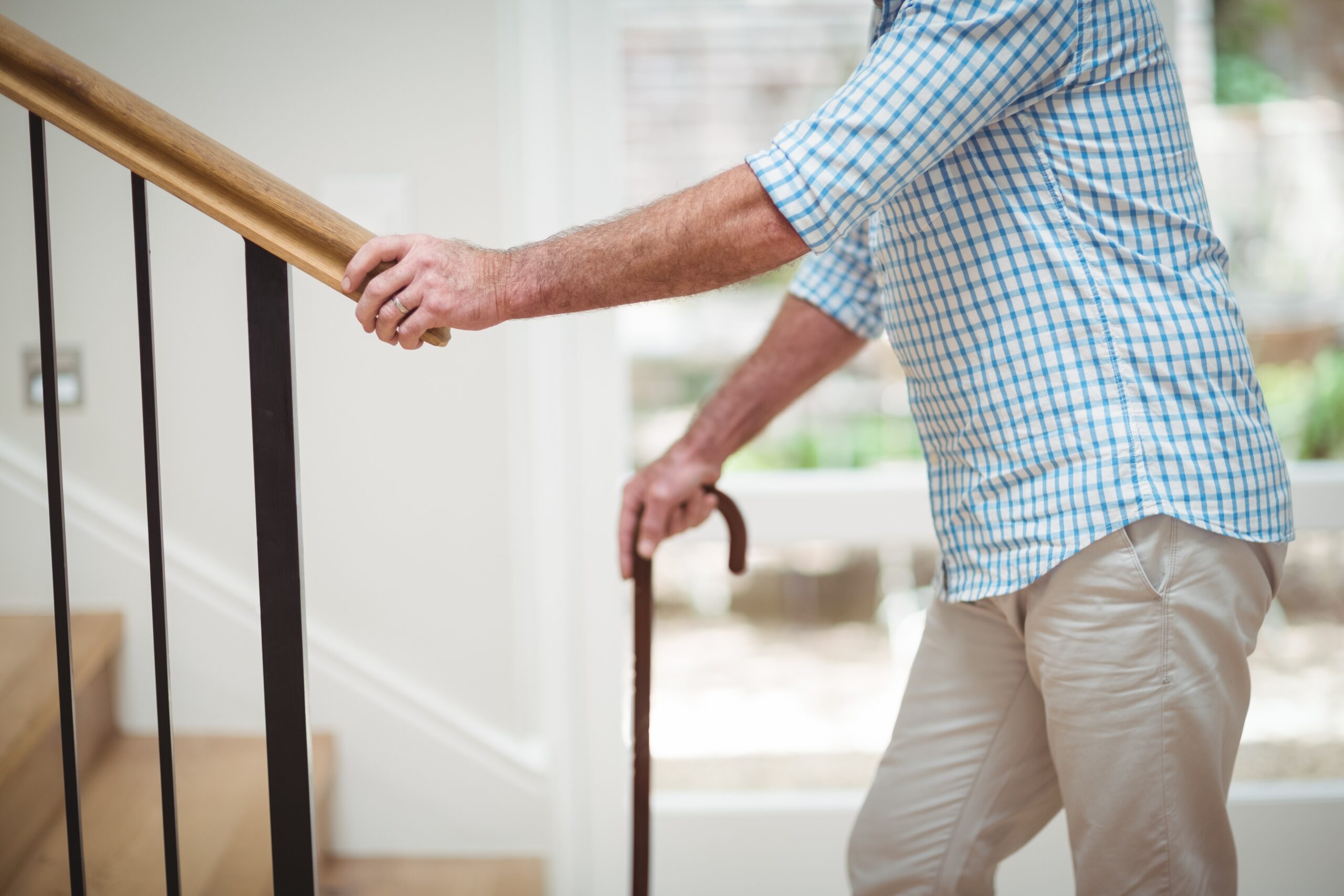
- Handrails on both sides of the stairs
- Contrasting tape on stair edges
- Lever-style door handles
- A raised toilet seat when appropriate
- A stable chair near the entrance
- Frequently used items stored between waist and shoulder height
An occupational therapist, physical therapist, or Certified Aging-in-Place Specialist can evaluate how your parent moves through the home and recommend changes based on their abilities. This can help the family spend money on the modifications that matter instead of completing unnecessary renovations.
What Financial Assistance May Be Available?
Original Medicare generally doesn’t pay for permanent home renovations, although it may cover certain medically necessary equipment. Medicaid programs may help eligible individuals access home- and community-based services, including home modifications, but coverage depends on the state, program, and individual’s eligibility.
Families can also explore:
- Local aging programs. Area Agencies on Aging may connect families with home repair programs, fall-prevention services, caregiver support, transportation, and other community resources.
- Veterans’ benefits. Eligible veterans may qualify for medically necessary improvements through programs such as the VA’s Home Improvements and Structural Alterations benefit.
- Local nonprofits and community programs. Some organizations provide minor repairs, grab-bar installation, ramps, or volunteer labor for qualifying older adults.
Ask about eligibility before beginning work. Some programs require approval, medical documentation, or an assessment before equipment is purchased or modifications are completed.
When to Bring In a Professional Caregiver
A safer home cannot replace assistance when an older adult is struggling with bathing, dressing, toileting, meals, mobility, medications, or supervision.
Family support may work when needs are occasional and responsibilities can be shared. It may be time to consider professional home care when one family member is carrying most of the responsibility, your parent is regularly alone during unsafe periods, or daily tasks are becoming too physically demanding.
A caregiver can assist with routines while helping the family understand how well the modifications are working. For example, a first-floor bedroom may solve the stair problem, but your parent may still need help getting out of bed, using the commode, preparing meals, or bathing safely.
Bringing in help doesn’t mean the family has failed. It means the care plan is changing as your parent’s needs change.
A Safer Home Starts With One Thoughtful Step
You don’t have to redesign the entire house in one weekend.
Begin with the greatest concern. Make one practical improvement, observe how your parent manages, and build the plan from there. The right combination of home modifications, family involvement, professional guidance, and caregiving support can make staying home a safer and more realistic option.
At New Wave Home Care, we help families look beyond the immediate worry and understand what their loved one may need day to day. Whether you are exploring home safety changes or wondering whether professional care is the next step, we are here to help.
Contact New Wave Home Care to learn how to create a safer, more supportive plan for your aging parent at home.